von Robert James Perkins – Artist & Stage Photography
It feels almost surreal: After more than two decades, I'm saying goodbye to Flickr. A platform that wasn't just a digital archive, but for many years a creative home, a stage, and a network for my work as a photographer in the fields of theater, opera, live stage, and band and artist photography.
The early years – When photography was still a discovery
When I started posting my work on Flickr in the early 2000s, the platform was way ahead of its time. It wasn't about algorithms, reach optimization, or content pressure—it was about images. About light. About the perfect moment between movement and emotion.
Especially in stage photography – where every second counts and scenes never repeat themselves exactly – Flickr was a place where I could share my perspective. Theatre rehearsals, opera productions, intimate backstage moments, and the raw energy of live gigs found their audience here.
Community instead of algorithm
What made Flickr special was its community. Comments were honest, constructive, and often inspiring. Discussions revolved around technique, aesthetics, and expression—not engagement rates.
For a photographer working between art and documentation, this was essential. Especially when working with stage artists – singers, bands, performers – trust is crucial. Flickr was a place where this work was understood.
The transformation – from creative space to digital footnote
But like so many platforms, Flickr has changed. With the rise of social media giants, it increasingly lost relevance. Visual content became faster, more fleeting, more superficial.
For professional photography – especially in the fields of theatre and opera, where images are often part of a larger artistic context – space has become more limited. Depth has given way to speed.
Today, photographers face the challenge of not only creating their work but also making it algorithmically "usable." This paradigm shift doesn't suit every medium.
Why it's over now
After 20 years, the moment has come for me to let go. Not out of frustration – but out of clarity.
My work has evolved. The demands on visibility, branding, and digital presence have changed, and I no longer wanted to continue using old patterns. Today, platforms must do more than just host: they must be part of a holistic artistic strategy.
Flickr was an important part of my journey – but no longer part of my future.
What remains
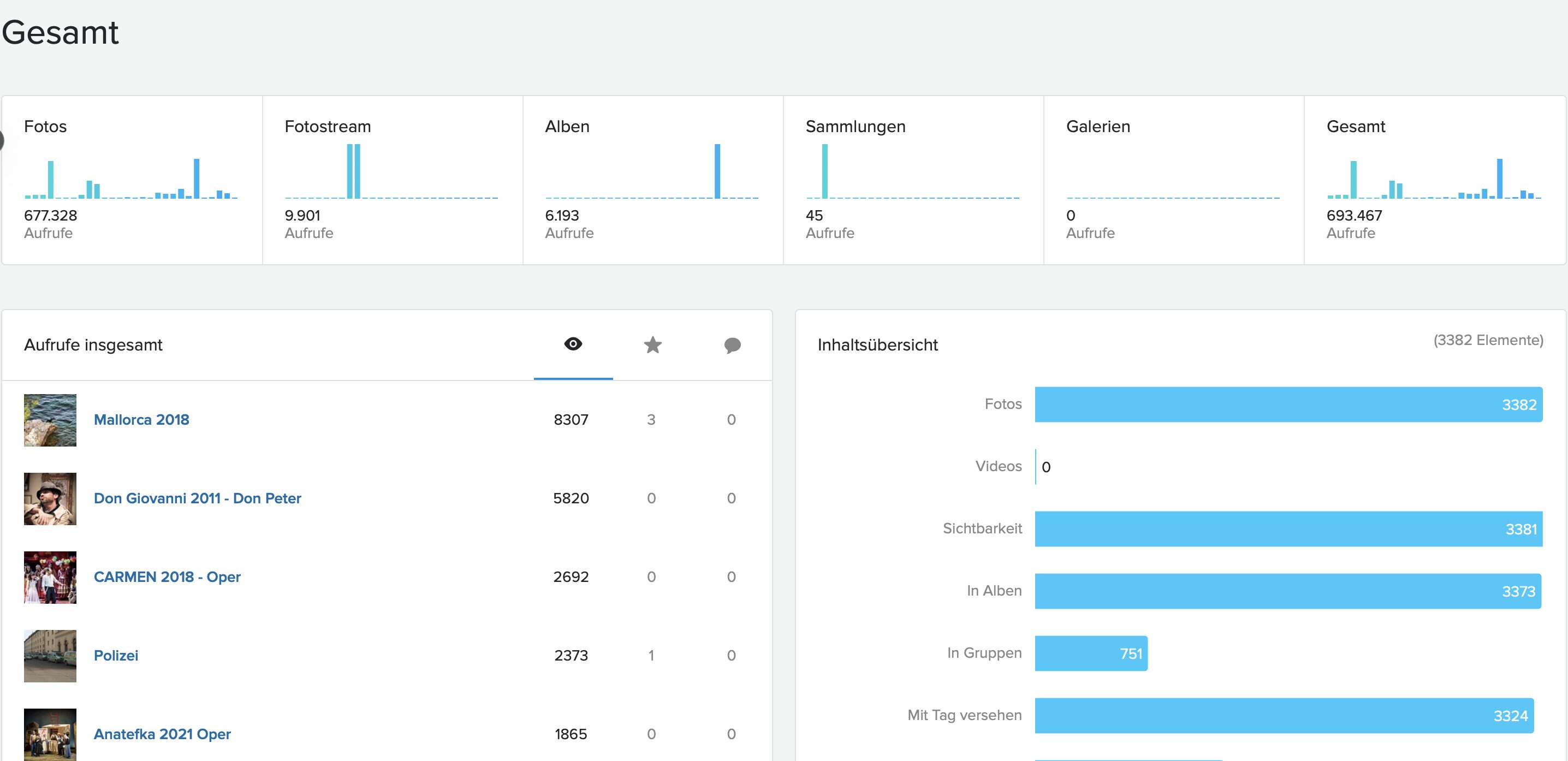
What remains are thousands of images. Memories of productions that will never happen exactly the same way again. Encounters with artists whose energy I was privileged to capture. And a digital archive that documents a part of my own development.
Flickr was never just a tool – it was a witness to history.
A look ahead
The future of photography lies not only in platforms, but in control over one's own work. Personal websites, curated portfolios, direct communication with audiences and clients – these are the new stages.
Especially in the context of AI, content automation and changing copyright issues, it is becoming increasingly important for artists to remain visible, independent and autonomous.
My focus today is more than ever on strategically positioning my work – as a visual extension of music, performance and stage.
Farewell – but not an end
This farewell is not an end, but a transition. The passion for photography remains. The stage remains. The artists remain.
Only the location has changed.